Artificial grass from SYNLawn North Carolina has become an increasingly popular solution for property owners in Charlotte, NC, who want a lush, green landscape without the ongoing demands of watering, mowing, fertilizing, and reseeding. While the finished product looks effortless, achieving a beautiful and long-lasting result depends on a precise and professional installation process. At SYNLawn North Carolina, we follow proven installation methods to help ensure every artificial grass project performs reliably for years to come.
Below is an overview of how artificial grass is typically installed in Charlotte and what makes the process so important.
Step 1: Site Evaluation & Planning
Every successful artificial grass installation begins with a detailed site assessment. Our team evaluates the existing surface, drainage conditions, soil type, sun exposure, and how the space will be used. Whether the project is for artificial grass lawns, pet areas, playground spaces, or commercial landscapes, understanding the intended use allows us to recommend the ideal artificial turf product.
During this stage, we also take precise measurements and develop a layout plan to minimize seams and ensure efficient material usage. Proper planning helps create a seamless, natural-looking finish.
Step 2: Removal of Existing Surface
The next step involves removing any existing grass, weeds, rocks, or debris. In many installations, several inches of organic material and soil are excavated to create room for a stable base.
This step is crucial. Installing artificial turf directly over existing grass or unstable soil can lead to uneven surfaces, poor drainage, and premature wear. By starting with a clean, properly excavated area, we create the foundation for long-term performance.
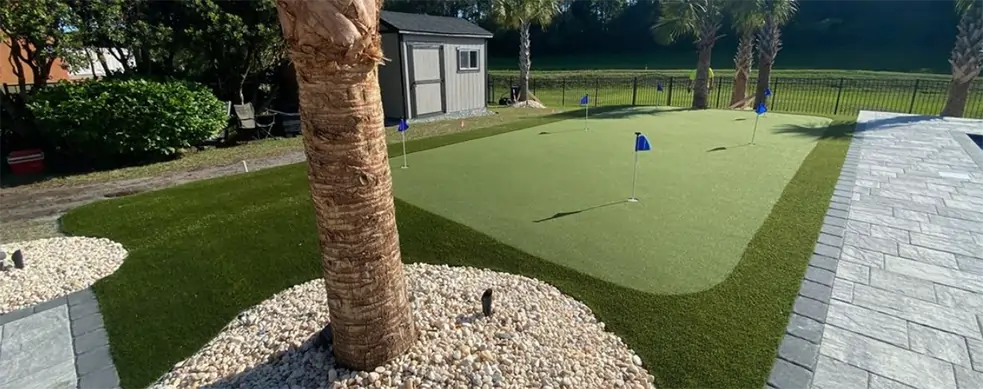
Step 3: Base Preparation
A strong foundation is one of the most important components of artificial grass installation in Charlotte, NC. After excavation, a layer of crushed stone or decomposed granite is added to the area. This base material is carefully spread and compacted to create a smooth, level surface.
Compaction ensures stability and prevents shifting over time. Proper grading is also performed to promote drainage, directing water away from structures and preventing pooling. One of the major benefits of artificial grass is its excellent drainage capability, but that performance begins with a well-prepared base.
In some cases, additional stabilization materials or edging systems are installed to define borders and maintain clean lines between turf and surrounding landscaping.
Step 4: Weed Barrier Installation
To further protect the surface, a high-quality weed barrier fabric is installed over the compacted base. This helps prevent unwanted growth from pushing up through the artificial turf while still allowing water to pass through freely.
This added layer contributes to the low-maintenance appeal of artificial grass, reducing the likelihood of future landscaping issues.
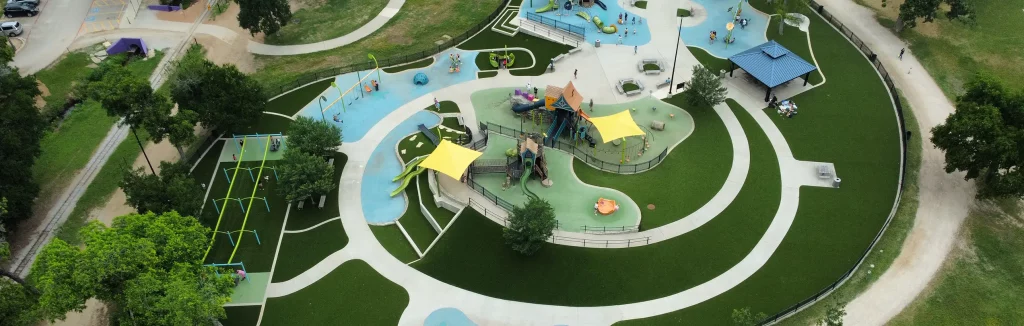
Step 5: Laying & Securing the Artificial Turf
Once the foundation is complete, the artificial grass is rolled out and positioned according to the project layout. Careful attention is paid to the direction of the grass fibers to ensure a consistent and natural appearance across the entire area.
If multiple sections are required, seams are joined using specialized adhesives or seaming tape designed specifically for artificial turf systems. Precision during this step ensures seams are nearly invisible.
The turf is then trimmed to fit edges, curves, and obstacles before being securely fastened using landscape staples or appropriate anchoring systems.
Step 6: Infill Application & Final Grooming
Depending on the type of artificial grass selected, infill material may be applied across the surface. Infill helps support the blades, enhance durability, and improve overall performance. Options can include silica sand or other specialized infill materials designed for specific applications, such as pet turf or playground turf.
After infill is distributed evenly, the surface is power-brushed to lift the grass fibers and create a natural, upright appearance. This final grooming step gives the installation its finished, polished look.
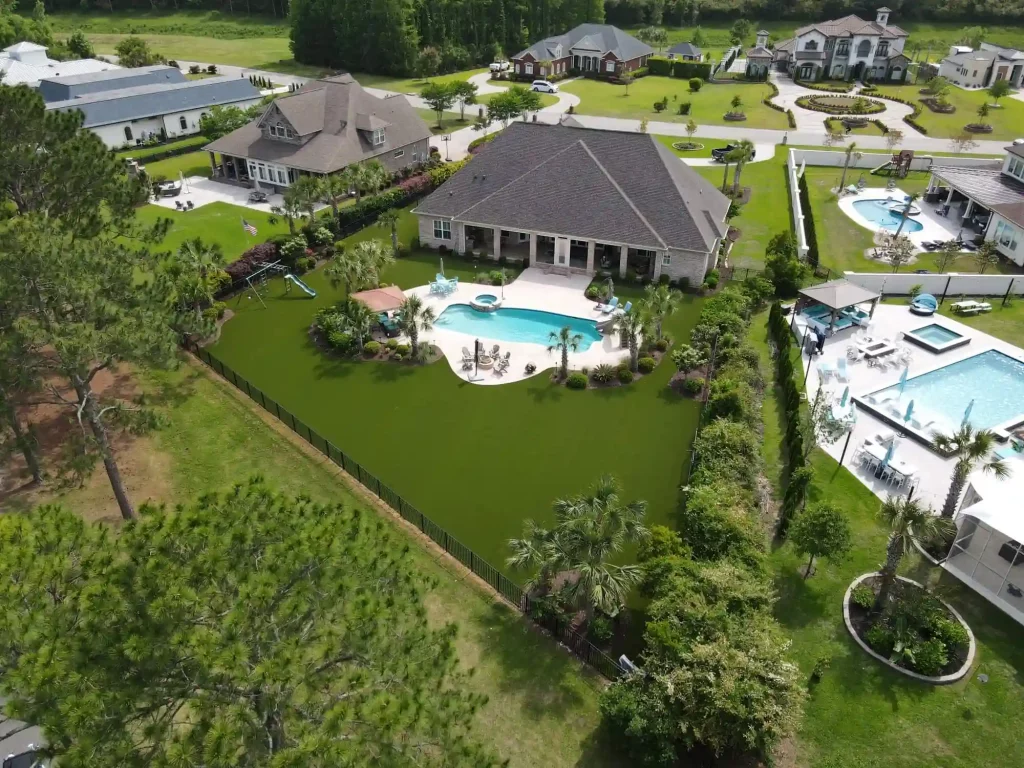
The Result: A Durable, Low-Maintenance Landscape
When professionally installed by SYNLawn North Carolina, artificial grass provides property owners in Charlotte, NC, with a durable, attractive, and low-maintenance alternative to conventional grass. With proper installation techniques and high-quality materials, artificial turf can withstand heavy foot traffic, varying weather conditions, and everyday use while maintaining its vibrant appearance.
From initial preparation to final brushing, every step of the installation process is designed to deliver long-term performance and visual appeal. If you are considering artificial grass for your property in Charlotte, contact SYNLawn North Carolina to provide expert installation and exceptional results.